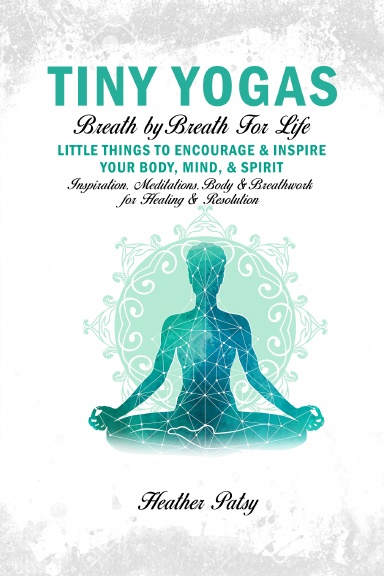
There is a quiet irony in the wellness world. The people who teach others how to slow down, breathe, and reconnect are often the same people who feel completely overwhelmed the moment they decide to build something online. You know how to guide a room full of strangers into stillness. But the second you open a browser tab to “build a website for my yoga practice” or “sell my mindfulness book,” the calm evaporates.
If that sounds familiar, you are not alone, and you are not doing anything wrong. Building an online presence is a skill like any other. It has its own postures, its own breath, and its own way of asking you to move one small step at a time. The good news is that you already possess the exact mindset that makes this easier than most people find it: patience, intention, and a willingness to begin before you feel ready.
This is a gentle, practical walkthrough for yoga teachers, meditation guides, breathwork coaches, and wellness authors who want to show up online in a way that feels aligned rather than frantic. We will move through it the way you would move through a practice: grounded, unhurried, and one breath at a time.
Start With Intention, Not With Tools
Before you touch a single piece of software, get clear on what you are actually building and why. This is the equivalent of setting an intention at the top of a class. Everything that follows flows more smoothly when the foundation is honest.
Ask yourself a few simple questions. Who is this for? A brand-new practitioner who has never sat on a cushion feels very different from an experienced yogi looking to deepen their practice. What transformation are you offering? “Breath by breath, back to yourself” is a very different promise from “advanced pranayama for teachers.” And what do you want someone to do when they find you? Buy a book, book a session, join a newsletter, download a free meditation?
Write these answers down in plain language. Not marketing language, not clever taglines, just the truth of what you do and who you serve. This becomes the compass for every decision that comes next, and it saves you from the trap of building a beautiful website that does not actually connect with anyone.
Naming: The First Real Decision
Your name is the doorway. It is the first thing people read, the thing they type into a search bar, the word they say when they recommend you to a friend. Getting it right matters, but getting it perfect is not the goal. Getting it clear and memorable is.
For many wellness practitioners, the name is simply their own name, and that works beautifully. A personal brand built on your name carries authenticity, and it is nearly impossible to outgrow. But if you are building something bigger than yourself, such as a studio, a method, a book series, or a community, you will want a name with a little more room to grow.
This is where a lot of people freeze. Naming paralysis is real. You sit with a blank page, write down twelve ideas, hate all of them, and close the laptop. If you find yourself stuck, it can help to run your themes through an AI name generator to break the logjam. You feed it a few words that capture your feeling, such as “breath,” “stillness,” “return,” or “tiny practices,” and it hands you dozens of directions you would never have reached on your own. You are not obligated to use any of them. Half the value is that seeing twenty mediocre options suddenly clarifies the one good one already living in your head.
A few gentle principles for wellness names. Keep it easy to spell, because people will hear it before they see it. Avoid names that are so abstract nobody can guess what you do. And say it out loud several times, because a name that looks lovely on paper can feel awkward in the mouth. Your name will be spoken far more than it is read.
Check That Your Name Is Actually Yours
Here is a step almost every new brand skips, and almost every new brand later regrets. Before you commit, before you buy the domain and print the business cards and design the logo, find out how many other people are already using a name like yours.
The wellness space is crowded. There are thousands of studios, coaches, and authors, and a surprising number of them landed on similar-sounding names because they were all drawing from the same well of calming, spiritual vocabulary. Words like “zen,” “lotus,” “flow,” “serenity,” and “breath” appear over and over. If your chosen name is one letter away from an established teacher in your city, you are setting yourself up for confusion, lost referrals, and in the worst case, a trademark headache.
Take ten minutes to check how crowded your name really is. Running it through a similar business name checker shows you the landscape at a glance, so you can see whether you are stepping into an empty field or a packed room. If you discover your favorite name is already worn out, better to learn it now, while changing course costs you nothing but a little ego. This small act of validation protects the years of reputation you are about to build on top of that name.
Build a Simple, Honest Home
Once your name is settled, you need a place to live online. Resist the urge to build something enormous. A wellness brand does not need seventeen pages, a booking engine, a blog, a podcast, a shop, and a membership portal on day one. It needs a clear, calm home that answers three questions: who are you, what do you offer, and how does someone take the next step.
A single well-crafted page can do this. If you are launching a book, that page introduces you, describes the book, shares a few genuine words from early readers, and offers an obvious way to buy. If you are launching a teaching practice, it introduces you, describes what a session or class feels like, and offers an obvious way to book or subscribe. Everything else can come later, added slowly as you learn what your audience actually wants.
Whatever platform you choose, whether it is a simple site builder or something more custom, treat the design the way you would treat a studio space. Clean, uncluttered, breathable. White space is not empty space; it is room to think. The visual calm of your site should mirror the internal calm you are inviting people toward.
Make Sure Search Engines Can Find You
Here is where technical and spiritual quietly meet. You can build the most beautiful, heartfelt website in the world, but if search engines cannot read it properly, it may as well be a note in a bottle. Discoverability is not vanity. It is how the right person, searching at 2 a.m. for “gentle breathwork for anxiety,” actually finds the thing you made for them.
One of the simplest, most overlooked steps in launching any site is submitting a sitemap. A sitemap is just a tidy map of every page on your site, handed directly to Google and other search engines so they know what exists and how it all connects. Without one, search engines have to guess, and they do not always guess well, especially for new sites with no established authority.
You do not need to be technical to do this. You can generate a complete file in a couple of minutes using a sitemap generator tool, then submit it through a free search console account. It is one of those small, unglamorous tasks that pays quiet dividends for years, steadily helping the people who need your work stumble into it exactly when they are looking.
Beyond the sitemap, keep your on-page basics honest. Use clear page titles that describe what each page actually is. Write naturally about what you do, using the words your students would actually type, not industry jargon. And make sure your site loads quickly and reads well on a phone, because that is where most people will first meet you.
Protect Your Peace While You Build
Building an online presence means signing up for things. A lot of things. Website builders, email platforms, design tools, scheduling apps, payment processors, stock photo libraries, and the endless parade of “free trials” that promise to make your life easier. Every one of them wants your email address, and every one of them will use it to follow up, upsell, and remind you forever that you once glanced in their direction.
Before you know it, the inbox you use for your actual students and readers is buried under promotional noise. For someone whose entire message is about clarity and calm, a chaotic inbox is a special kind of quiet stress.
There is a simple practice here that mirrors your larger philosophy: be intentional about what you let in. When you want to test a new tool, download a resource, or peek behind a signup wall you are not yet sure about, you do not have to hand over your real address. Many creators keep their primary inbox sacred by using a temporary email address for the tools they are only sampling. If a platform proves worthy, you upgrade it to your real email. If it does not, the throwaway address simply expires, and the spam expires with it. Think of it as a boundary you set before the relationship even begins.
This is also genuinely useful when you are testing your own website. Before you send real students to your signup form or newsletter, you want to walk through it yourself and make sure the welcome email actually arrives, the links work, and the experience feels warm. Running that test with a disposable address instead of your main one keeps your real inbox clean and your test data out of your live list.
Move at the Pace of Trust
The single most common mistake wellness practitioners make online is trying to do everything at once, burning out, and disappearing. You do not owe anyone a daily post, a weekly podcast, and a monthly launch. You owe your audience consistency at a pace you can actually sustain.
Start with one thing you can maintain. Maybe that is a short monthly note to your list. Maybe it is one honest social post a week. Maybe it is simply keeping your one-page site current and beautiful. Build the habit before you build the empire. Trust, like a deep practice, is accumulated slowly, breath by breath, and it cannot be rushed by force.
Pay attention to what resonates. When a particular reflection, class theme, or piece of writing lands, notice it. Your audience will teach you what they need if you stay quiet enough to listen. That responsiveness, that willingness to adjust based on real human feedback rather than a rigid content calendar, is what separates brands that feel alive from brands that feel like billboards.
The Real Work Is Still the Practice
At the end of all of this, remember that the website, the name, the sitemap, and the tools are just the container. They are important, and doing them well removes friction between you and the people you are meant to serve. But they are not the work. The work is still the breath, the presence, the genuine desire to help someone return to themselves.
Technology, handled with intention, simply extends your reach. It lets the teacher find the student across a distance that used to be impossible to cross. Build your online home the way you would build any meaningful practice: patiently, honestly, and without abandoning the calm you are trying to share. One small step, then the next. That is how everything worth building gets built.